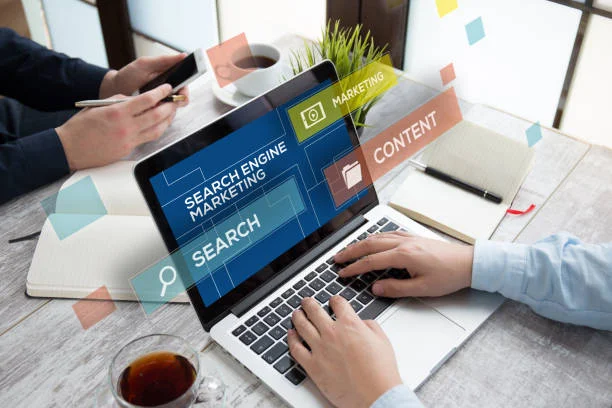
In 2026, digital competition is sharper than ever. Small businesses are no longer asking whether they need online marketing — they’re asking which channel will generate the most qualified leads at the lowest cost.
The biggest debate continues to be SEO vs Google Ads for small business. Both strategies can drive growth, but they serve different purposes in a modern marketing funnel.
If you’re at the decision stage and want clarity before investing your budget, this in-depth guide from TechStarzHub will help you make a smart, ROI-focused choice. We’ll compare PPC vs organic traffic, break down the cost comparison SEO vs ads, evaluate ROAS from ads, and explain the best long term marketing strategy for 2026 and beyond.
Understanding the Core Difference Between SEO and Google Ads
Before choosing a winner, it’s important to understand how each channel actually works in lead generation.
What Is SEO and How It Generates Leads
Search Engine Optimization (SEO) is the process of improving your website’s visibility in organic search results. Instead of paying for every visitor, SEO focuses on earning traffic naturally by building authority and relevance.
A strong SEO strategy typically includes:
- Keyword research and mapping
- On-page optimization
- Technical SEO improvements
- High-quality content creation
- Link building and authority growth
- User experience optimization
When implemented correctly, SEO helps your business appear when potential customers search for services you offer.
Why SEO matters in 2026:
Search engines continue prioritizing helpful, authoritative content. Businesses investing in SEO today are building long-term digital assets that keep generating leads month after month.
What Is Google Ads and How PPC Drives Leads
Google Ads is a pay-per-click (PPC) advertising platform where businesses pay to appear at the top of search results instantly.
With PPC campaigns, you:
- Bid on high-intent keywords
- Create targeted ad copy
- Send traffic to optimized landing pages
- Pay only when someone clicks
This makes Google Ads one of the fastest ways to generate leads online.
Why PPC remains powerful in 2026:
Despite rising costs, PPC still offers unmatched speed, targeting precision, and measurable performance — especially for businesses that need immediate results.
SEO vs Google Ads for Small Business: Quick Strategic Overview
For small businesses evaluating SEO vs Google Ads for small business, the decision usually comes down to timeline, budget, and growth goals.
Here’s the strategic reality:
- SEO builds long-term organic traffic
- Google Ads delivers instant paid traffic
- SEO compounds over time
- PPC works only while you pay
- SEO reduces acquisition costs long-term
- PPC accelerates short-term growth
At TechStarzHub, most high-performing clients don’t choose one — they build a structured mix based on business stage.
Which Gives Faster Results in 2026?
Speed is often the deciding factor for businesses under pressure to generate leads.
Google Ads: The Fastest Path to Leads
If your business needs inquiries quickly, PPC clearly wins.
Once your campaign is properly set up:
- Ads can launch within 24–72 hours
- Traffic begins immediately
- Leads can start within days
- Budget increases can scale results quickly
This makes Google Ads ideal for:
- New businesses entering the market
- Service providers needing immediate bookings
- Seasonal campaigns
- Competitive niches where SEO takes time
For companies asking which gives faster results, the answer is almost always PPC in the short term.
SEO: Slower Start but Compounding Growth
SEO requires patience but delivers long-term momentum.
Typical SEO growth timeline:
- Months 1–3: Technical fixes and indexing
- Months 3–6: Keyword movement begins
- Months 6–9: Noticeable traffic growth
- Months 9–18: Strong lead flow and authority
While slower initially, SEO becomes more powerful over time because rankings build cumulative authority.
Businesses working with TechStarzHub often notice that once SEO gains traction, lead costs drop significantly compared to paid campaigns.
Cost Comparison SEO vs Ads: What Small Businesses Must Know
Budget efficiency is critical, especially for growing companies. Let’s break down the real cost comparison SEO vs ads in 2026.
SEO Cost Structure Explained
SEO is typically a monthly investment model.
Common cost components include:
- Content production
- Technical optimization
- On-page improvements
- Authority building
- Performance tracking
Average SEO investment for small businesses in 2026:
₹25,000 to ₹1,00,000 per month (varies by competition)
Key advantage:
Once your pages rank, organic traffic continues without paying per click.
Google Ads Cost Structure Explained
Google Ads operates on continuous spend.
Your budget covers:
- Cost per click (CPC)
- Campaign management
- Ongoing optimization
- Competitive bidding
Typical PPC budgets for small businesses:
₹30,000 to ₹2,00,000+ per month
Critical reality:
The moment you pause ads, your traffic stops.
Hidden Cost Factors Businesses Often Miss
When evaluating PPC vs organic traffic, many businesses overlook hidden expenses.
In PPC campaigns:
- CPC often increases yearly
- Competitors can outbid you
- Poor targeting wastes budget
- Click fraud can occur
- ROAS from ads can fluctuate
In SEO campaigns:
- Results take time
- Quality execution is essential
- Competitive niches require stronger authority
A smart strategy accounts for both visible and hidden costs.
ROAS From Ads vs Long-Term SEO ROI
Return on investment is the metric that truly matters for decision-stage businesses.
ROAS From Ads: Immediate but Variable
Google Ads provides quick, measurable performance through ROAS (Return on Ad Spend).
Benefits include:
- Clear cost per lead
- Real-time performance data
- Easy campaign testing
- Fast scaling opportunities
However, many businesses notice over time:
- Rising cost per acquisition
- Increasing competition
- Shrinking profit margins
- Budget dependency
PPC works best when campaigns are continuously optimized and closely monitored.
SEO ROI: The Compounding Advantage
SEO typically delivers stronger ROI over the long run because traffic builds month after month.
Major SEO advantages include:
- No per-click cost
- Increasing domain authority
- Higher trust signals
- Lower cost per lead over time
- Sustainable organic growth
After 12–18 months of consistent SEO, many businesses see organic leads becoming significantly cheaper than paid leads.
This is why SEO remains the backbone of any strong long term marketing strategy.
PPC vs Organic Traffic: Quality and Conversion Comparison
Traffic volume is important — but lead quality is what drives revenue.
Organic Traffic Trust Advantage
Users often trust organic listings more than ads.
Organic visitors typically:
- Spend more time on site
- Engage deeper with content
- Convert well for research-driven services
- Build stronger brand credibility
This trust factor is especially important for high-ticket services.
PPC Traffic Precision Advantage
Google Ads offers unmatched targeting control.
With PPC you can:
- Target exact high-intent keywords
- Focus on specific locations
- Schedule ads by time of day
- Test offers instantly
- Control messaging quickly
This makes PPC extremely effective for bottom-funnel searches.
Lead Quality Verdict for 2026
In most industries:
- PPC delivers faster leads
- SEO delivers more cost-efficient leads long term
- The highest ROI usually comes from combining both
TechStarzHub typically recommends aligning channel strategy with business maturity.
When SEO Is the Better Investment
SEO is usually the smarter choice when your business wants:
- Long-term lead generation
- Lower acquisition costs over time
- Strong brand authority
- Sustainable organic traffic
- Competitive positioning in search
SEO is especially powerful for businesses planning 12–24 months ahead rather than looking for quick wins only.
When Google Ads Makes More Sense
Google Ads becomes the better option when:
- You need leads immediately
- Your website is new
- You’re testing a new service
- Your sales cycle is short
- You have high-converting landing pages
- You want rapid market validation
For many businesses, PPC acts as the lead accelerator, while SEO builds the foundation.
The Best Long Term Marketing Strategy for Small Businesses
The most successful businesses in 2026 are not choosing between SEO and PPC — they are integrating both strategically.
Phase 1: Immediate Lead Flow
Start with targeted Google Ads to:
- Generate quick inquiries
- Test keyword intent
- Validate offers
- Build early revenue
Phase 2: Build Organic Authority
Simultaneously invest in SEO to:
- Expand keyword footprint
- Improve domain authority
- Reduce paid dependency
- Build evergreen traffic
Phase 3: Optimize for Maximum ROI
As organic traffic grows:
- Shift budget toward high-performing channels
- Use PPC for high-intent keywords only
- Scale SEO content strategically
- Improve conversion rate optimization
This hybrid approach delivers both speed and sustainability, which is exactly what modern businesses need.
Common Mistakes Businesses Must Avoid in 2026
Many companies waste budget due to avoidable errors.
Watch out for these:
- Expecting SEO results overnight
- Running ads without proper tracking
- Ignoring landing page optimization
- Targeting broad, low-intent keywords
- Stopping SEO too early
- Focusing on traffic instead of qualified leads
- Not aligning marketing with sales funnel
Working with an experienced digital partner like TechStarzHub helps prevent these costly mistakes and ensures your marketing budget produces real business growth.
Frequently Asked Questions
Is SEO better than Google Ads for small business in 2026?
Neither is universally better. SEO is best for long-term organic growth and cost efficiency, while Google Ads is best for immediate lead generation. Most small businesses benefit from a hybrid strategy.
Which gives faster results for lead generation?
Google Ads delivers results almost immediately after launch. SEO typically takes several months but produces more sustainable traffic over time.
What is the cost comparison SEO vs ads for small businesses?
SEO usually requires a fixed monthly investment but becomes cheaper over time. Google Ads involves continuous per-click costs that can increase as competition rises.
Can I rely only on PPC for my business growth?
You can, but it is risky. Paid traffic stops when your budget stops. A balanced long term marketing strategy should always include SEO for stability.
How long does SEO take to generate leads?
Most businesses start seeing movement within 3–6 months, with strong lead flow typically developing between 6–12 months depending on competition and execution quality.
Conclusion: The Smart Choice for 2026 and Beyond
The debate around SEO vs Google Ads for small business will continue, but the real answer in 2026 is strategic balance.
If your goal is fast visibility and immediate leads, Google Ads is the quickest path.
If your focus is sustainable growth, authority, and lower long-term acquisition costs, SEO is the smarter investment.
However, businesses that dominate their markets are not choosing one channel in isolation. They are building integrated systems where:
- PPC drives immediate pipeline
- SEO builds long-term authority
- Data guides budget allocation
- Conversion optimization maximizes ROI
At TechStarzHub, the focus is on creating performance-driven digital strategies that align with real business goals — not vanity metrics. When SEO and paid ads work together strategically, small businesses can achieve predictable lead flow, stronger profitability, and long-term digital dominance.
If you’re planning your growth roadmap for 2026, the smartest question is no longer SEO vs Google Ads — it’s how quickly you can implement the right mix to stay ahead of your competition. For more details contact us.